Category — History
Half Staff Origins
Many of you may have noticed that the flags have been flown at half-staff in the last week or so, first for the tragedy at Sandy Hook Elementary, and most recently in honor of Senator Daniel K. Inouye.
Flying a flag at half-staff means flying the flag below the summit of the flagpole. This is done in many countries as a symbol of respect and mourning or distress. The tradition of flying the flag at half-staff is very old; it is believed to have started in the 17th century. In 1612 the captain of the British ship Heart’s Ease died on a journey to Canada. The sailors lowered the flag to make room for the invisible flag of death. This signified death’s presence, power, and prominence.
You may wonder who can order a flag to be at half-staff. In the United States the President can issue an executive order for the flag to be flown at half-staff upon the death of principal figures of the United States government and others, as a mark of respect to their memory. When the President issues such an order, all government buildings, offices, public schools and military bases are to fly their flags at half-staff. Federal law states that the flags of states and cities, whether residential or commercial, should never be placed above the flag of the United States; thus, all other flags also fly at half-staff when the U.S. flag has been ordered to fly at half-staff.
In the U.S. the flag is to be flown at half-staff in the following situations:
• For thirty days after the death of a current or former president or president-elect
• For ten days after the death of a current vice president, current or retired chief justice, or current speaker of the House of Representatives.
• On the day of death and the following day for a Member of Congress.
• On Memorial Day until noon
• Peace Officers Memorial Day, May 15
• Pearl Harbor Remembrance Day, December 7
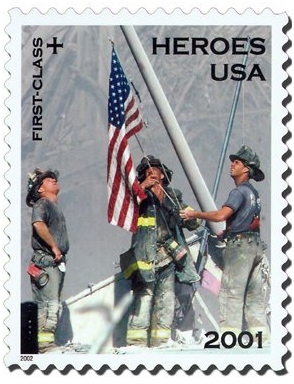
• Patriot Day, September 11
• And also upon presidential proclamation for different tragedies.
You can also participate in displaying the flag at half-staff, demonstrating your honor and respect at your home with a residential flagpole. When lowering a flag to half-staff be sure to first raise the flag to the top of the flagpole and then slowly lower it to half-staff.
December 26, 2012 No Comments
American Flag History
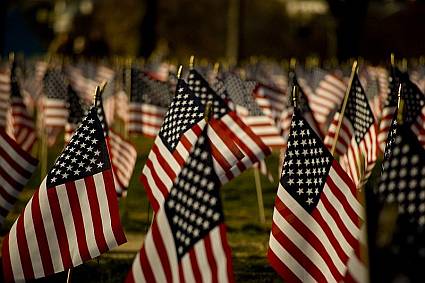
Nothing seems to invoke feelings of freedom and patriotism for American citizens as much as the red white and blue. Seeing an American flag flying proudly on a bright sunny day can lift spirits and make one proud to be called an American. But as patriotic as most Americans may feel when seeing such a sight, many do not know the history of that important symbol.
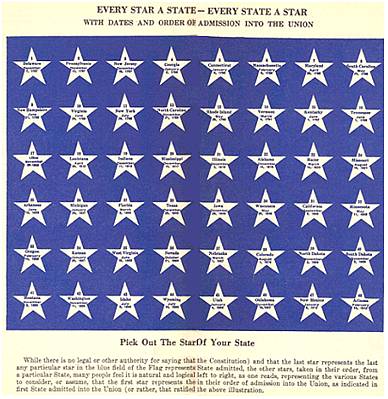
It is common knowledge that the 50 bright white stars represent each state of the Union, and some know that the thirteen red and white lines mark the inception of our countries first original colonies. Seeing the flag flying halfway or “half-staff” is generally known that an important American has passed. But who was the creator, when was it created and what was the inspiration for our flag?
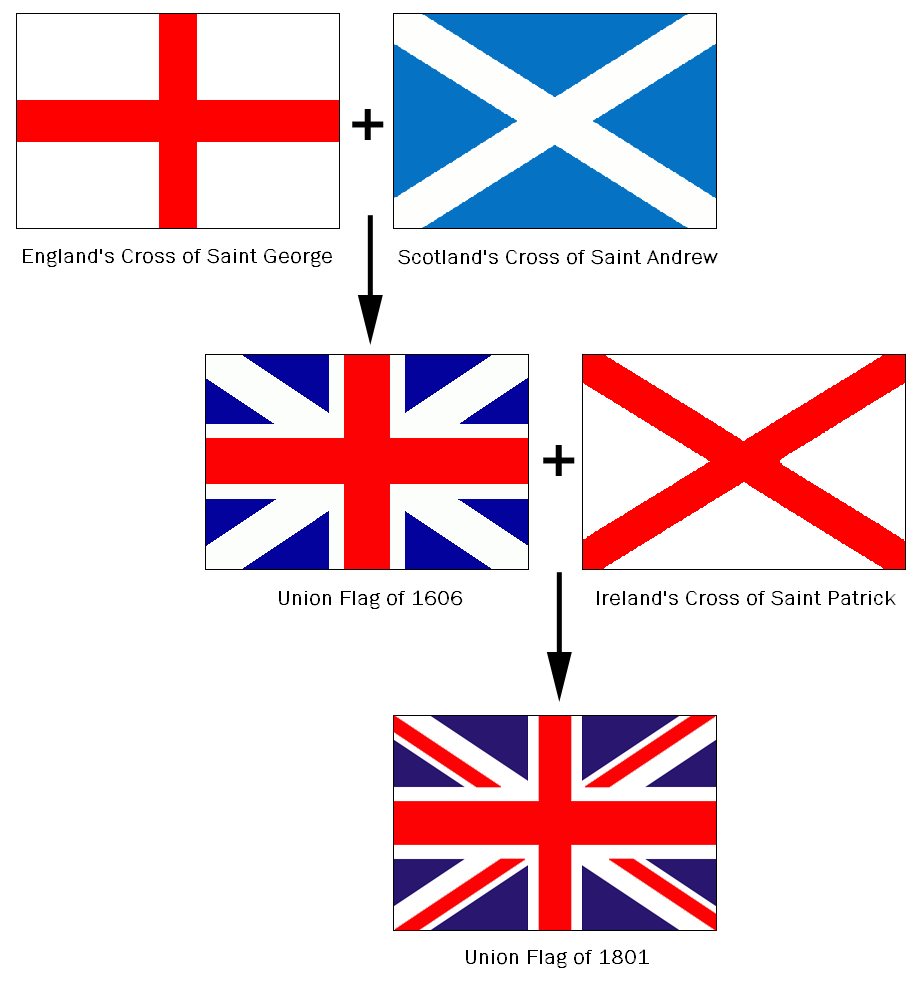
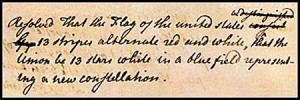
Betsy Ross was the woman who sewed the first flag. The year was 1776 and the United States was fighting for its freedom from the British. However there has been some debate over whom the creator of the Stars and Stripes was, it is likely Francis Hopkinson was the designer. No country is complete without a standard to symbolize who they represent. This was an important step for this young country in declaring independence and becoming a sovereign nation.
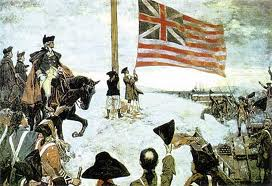
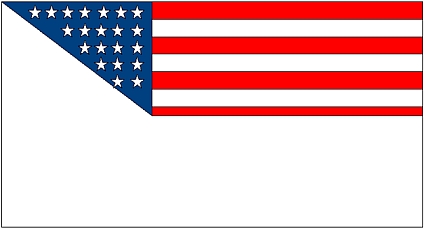
America’s first flag consisted of the red and white stripes, but leaned more towards that of its ruling oppressors, with the British symbol where the blue background and stars now reside. 1777 was the first year that the stars, representing states, was introduced. As the country grew and gained more states the number of stars went up until the 50 that is currently flying on today’s flag.
The colors of the flag were no mere accident either. Each color is representative of what America stands for. Red is representative of hardiness and valor, traits which the country has been known for, both in wartime and helping other countries in need. White is a symbol for purity and innocence, traits that are representative of the citizens of the United States. And finally the blue field, portraying vigilance and justice characteristics that America has been known for, treating all men equal and providing safety through a fair justice system.
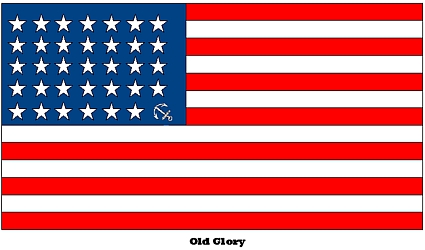
America’s flag has many customs and traditions surrounding it which adds to the pride in its illustrious history. It has gained the nicknames of Star Spangled Banner, Stars and Stripes and of course the famous Old Glory. A flag was bestowed upon a young whaling vessel Captain, whom proudly referred to it as “Old Glory” as it flew on his vessels mast.
The United States flag, with all of its symbolism and history is now seen across the world. It flies above Americas Embassies and war zones around the world representing an idea and hope of freedom for many of the worlds oppressed people. It was a symbol to the British that freedom could be obtained, that justice would prevail and continues to maintain its highly regarded status to this day.
December 3, 2012 No Comments
“Don’t let the flag touch the ground, or you will have to burn it!”
While still a small boy I learned my first rule of flag display as I waved a small handheld flag and accidentally let it touch the floor. My older sister came bounding across the room. “Johnny,” she scolded “don’t let the flag touch the floor! If you do you have to burn it.” I believed her, so I went outside and burned the little flag. It was a pretty silk flag measuring about five by eight inches, and even in a small breeze it waved beautifully. I didn’t want to burn the flag, but rules are rules. My belief in that rule was not uncommon. Even today school children and adults will, when asked, often recite the rule, “If a flag touches the ground you have to burn it.” Trouble is that it is not true.
Pairing the rule about the flag not touching the ground with burning a flag is not part of the U.S. Flag Code. The code actually lists forty rules of flag display and one rule does stress, “The flag should never touch anything beneath it, such as the ground, the floor, water, or merchandise.” But burn the flag? No, it doesn’t say that at all. Rather it only says that if a flag is worn, faded or soiled to the point is no longer a fitting emblem of the nation it should not be simply discarded or thrown in the trash. Then it is appropriate to destroy the flag by burning.
However, returning to the first point, the flag should never touch the floor or ground. Fair enough and it makes good sense. If we carry clothing on hangers, we would not want any of the fabrics to touch the floor or ground either. Any cloth item dropped may become soiled or damaged. That makes sense.
Strange as it may seem to American, that attitude is not universally shared. Not only that, it is not an idea that has always been part of American thinking. Examples in our history and in other cultures include display of flags arranged so they draped onto the floor or ground.
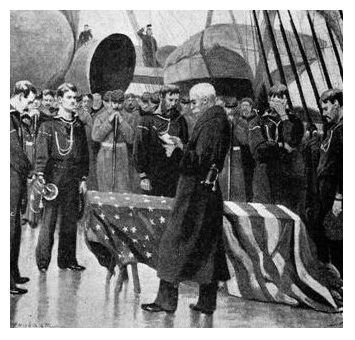
Photographs taken in the nineteenth century often show the Stars and Stripes displayed with the flag draped onto the floor, deck, or ground. An illustration of a burial at sea shows the sailor’s remains covered by the U.S. flag. The ends of the flag fall in folds upon the deck as the funeral service is read. Sailors paid no attention to their national ensign touching the ship’s deck. Obviously no disrespect is intended or taken.
Even today, a British military custom calls for troops to “trail” their military unit’s flag. In this salute, the staff or pike on which the flag is mounted is swung down so the flag drags on the ground before the sovereign. Is this a sign of disrespect? No just courtesy to the monarch.
Still, the restriction of the Flag Code has deeper meaning. It is not only imprudent to let the flag touch the ground, it is disrespectful. However, that is a story for another day. A future blog posting will tell how this tradition may have began.
November 19, 2012 No Comments